
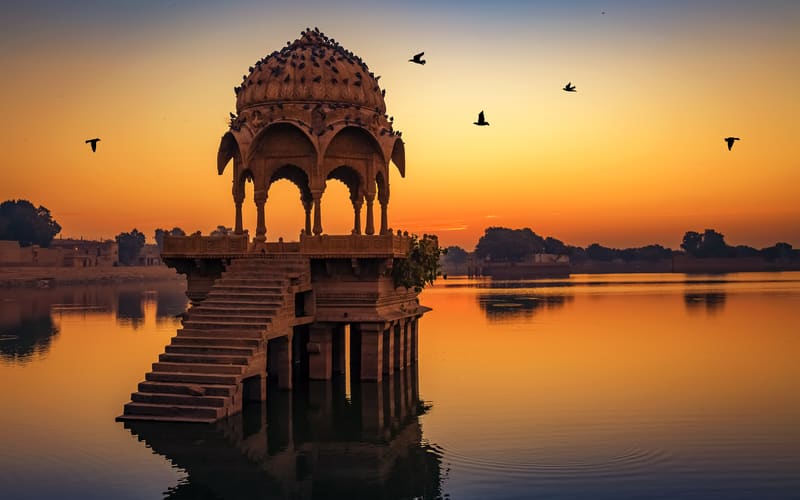
It’s hard to miss the pink in the ‘PINK CITY’, as Jaipur is fondly called. Jaipur is a fine representation of the regal grandiose, that has always distinguished the state of Rajasthan. A part of the ‘GOLDEN TRIANGLE’, Jaipur is a must-visit destination along with Agra and New Delhi.
Maharaja Jai Singh II was the founder of Jaipur in the year 1727, when the capital was shifted from Amer(Amber). Literal translation of Jaipur means ‘CITY OF VICTORY’. It is believed that construction of the capital took 6 years.
Home to magnificent palaces, towering forts and holy temples, not only has Jaipur gracefully retained its royal roots but it proudly displays them for visitors to see and experience. Rajasthan’s capital, Jaipur is no stranger to tourists. Even in the present day, Jaipur remains the same – time seems to stand still in this heritage part.
If you’re lucky enough to be travelling Jaipur during Holi (in March), you will be watching elephants in action at elephant-polo. Then again, October in Jaipur has its own share of fun with the donkey festival and ‘best-looking donkey’ award as well as donkey racing and trading.
WHERE TO VISIT???…🙄
Here’s a quick guide of places to visit in the ‘Pink City’ :
- BIRLA MANDIR – It is a Hindu temple located in Jaipur, India and is part of one of the several Birla Mandirs located all around the country. The grand temple is located on an elevated ground at the base of Moti Dungari hill in Rajasthan. The temple is sometimes also referred to as the Laxmi Narayan Temple. Clicking of pictures is strictly prohibited inside the temple premises.
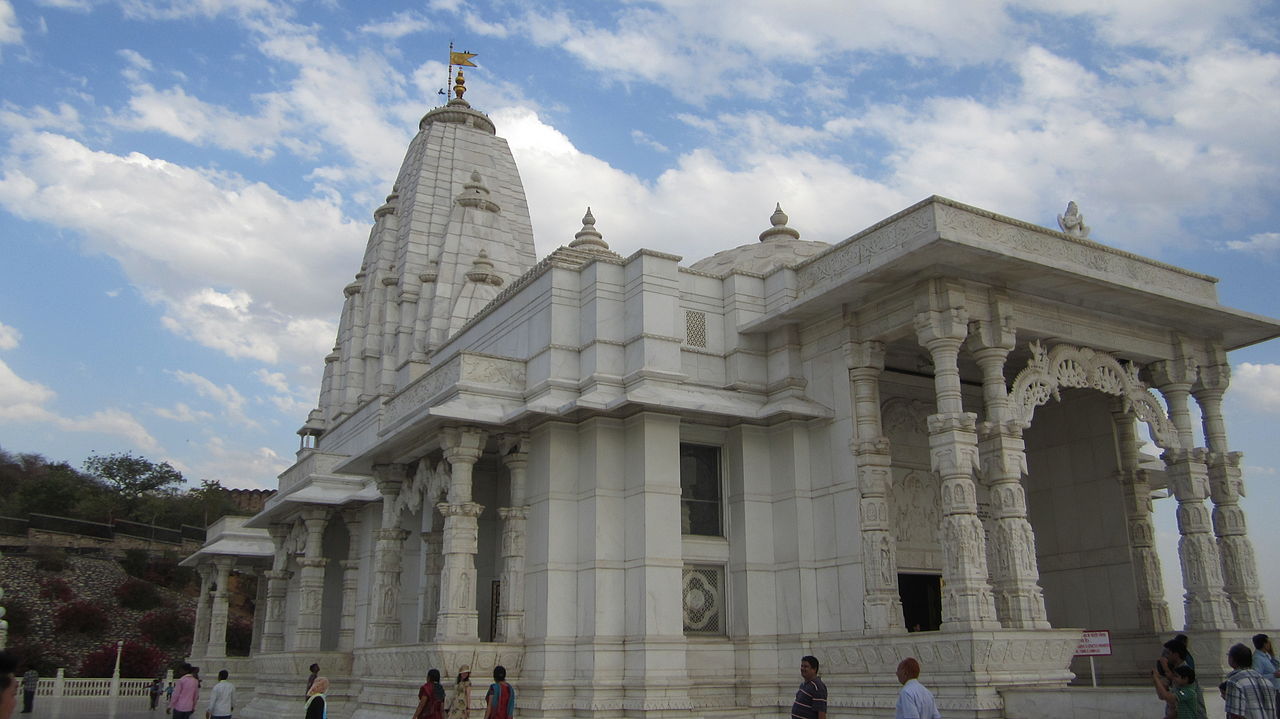
- ALBERT HALL MUSEUM – It is the oldest museum of the state and functions as the state museum of Rajasthan. The building is situated in Ram Niwas Garden. The museum has a rich collection of artifacts including paintings, jewellery, carpets, metal sculptures. The collection includes coins from the Gupta, Kushan, Delhi Sultanate, Mughals and British periods. The night view of the museum mesmerises the eyes of an individual.
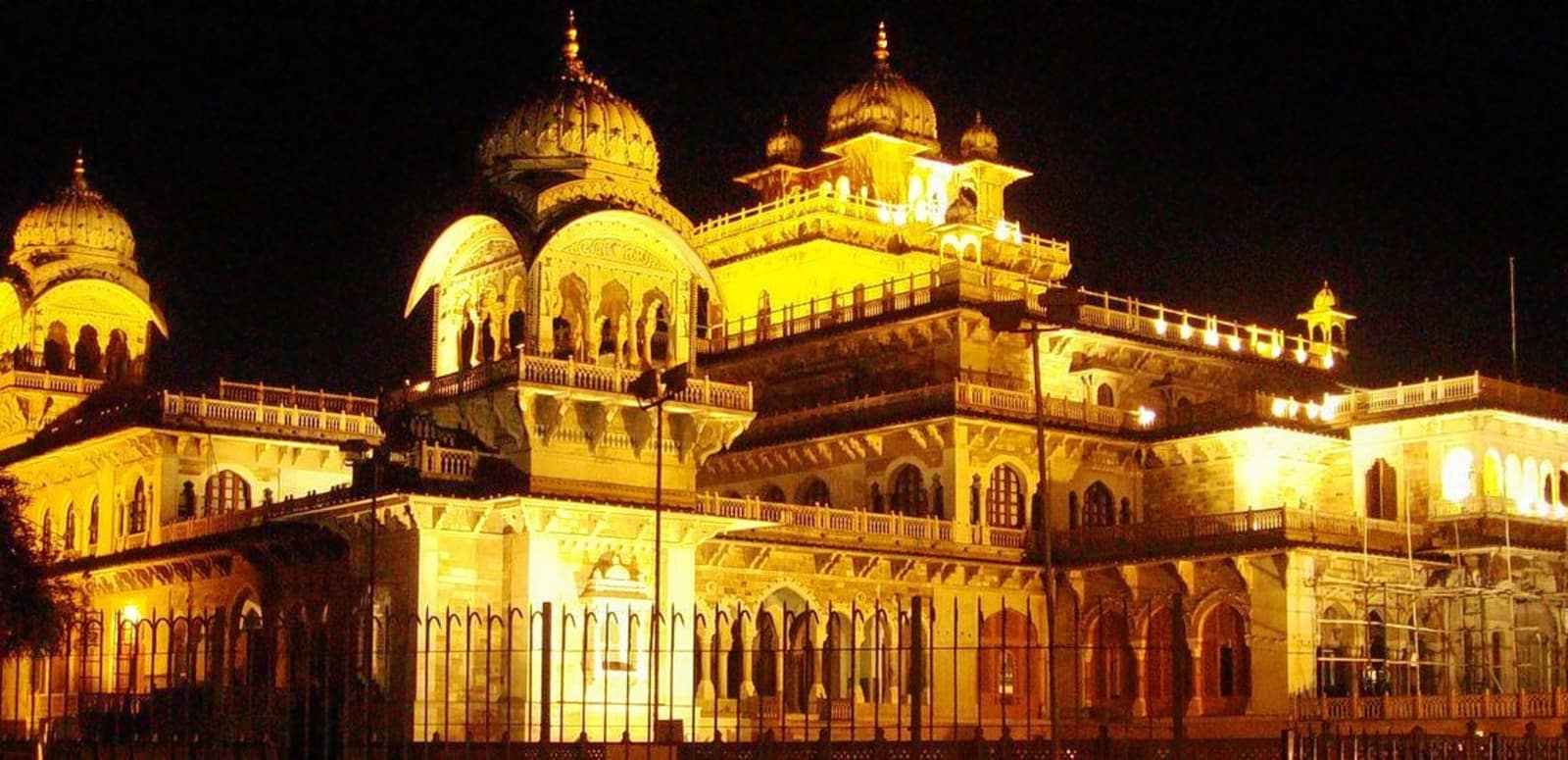
- NAHARGARH FORT – Set on the edge of the Aravalli Hills, Nahargarh Fort is striking in stature. Built as the summer palace for the royal family, the main palace within the fort is known as Madhavendra Bhawan. In addition, there are nine other double-storied living spaces within the fort. The views of Jaipur city are stunning from Nahagarh Fort.
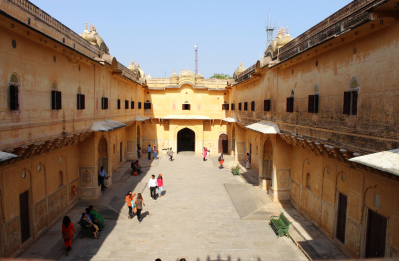
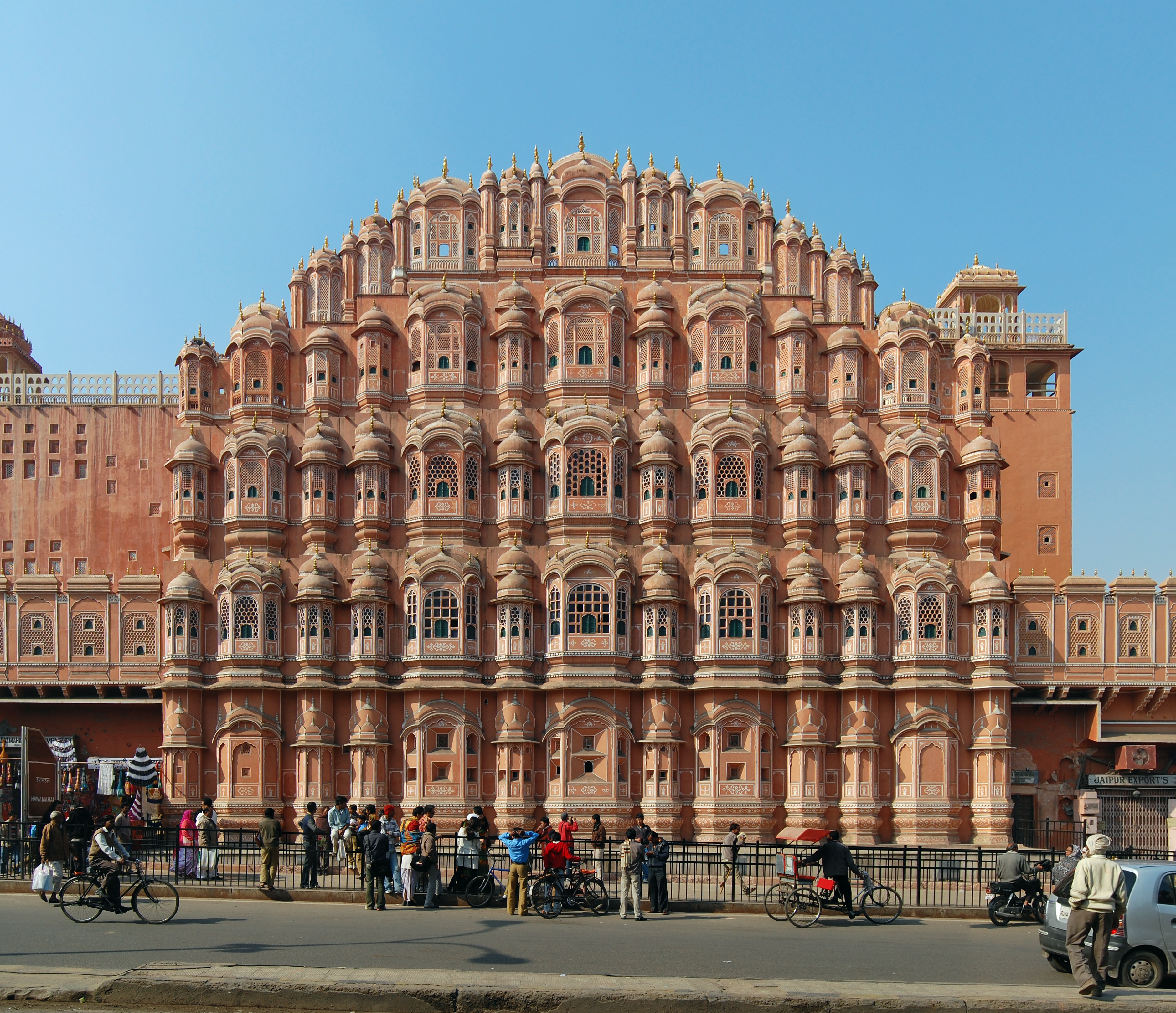
- HAWA MAHAL – Jaipur’s most iconic landmark, the red and pink sandstone facade of Hawa Mahal or Palace of Winds is widely recognised. Within its chambers, hidden from public view, the women of the royal house would secretly observe the activities on the street, through the palace’s several openings. Built in the shape of crown of Lord Krishna, Hawa Mahal rises five-storeys from the ground.
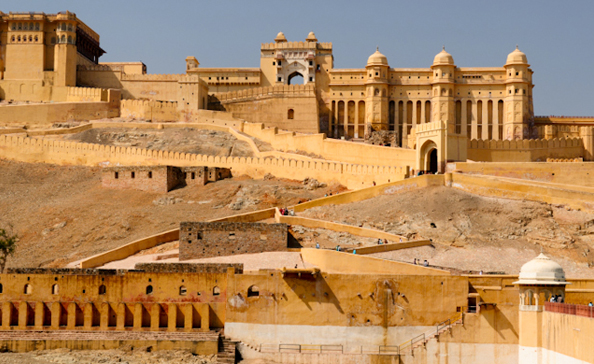
- AMER FORT – The charm of Amer Fort, sometimes also called “AMBER FORT” is undeniable. Perched on a hilltop, the fort is impressive –- both in terms of size and architecture. It can be accessed through imposing ramparts and cobbled pathways, leading to its gates. The golden frontage is complemented by elaborate interiors. The fort houses the Diwan-e-Aam, Diwan-e-Khas and also the Sheesh Mahal. The grandeur of Amer Fort is heightened during the Light and Sound Show in the evening, which is a must watch.
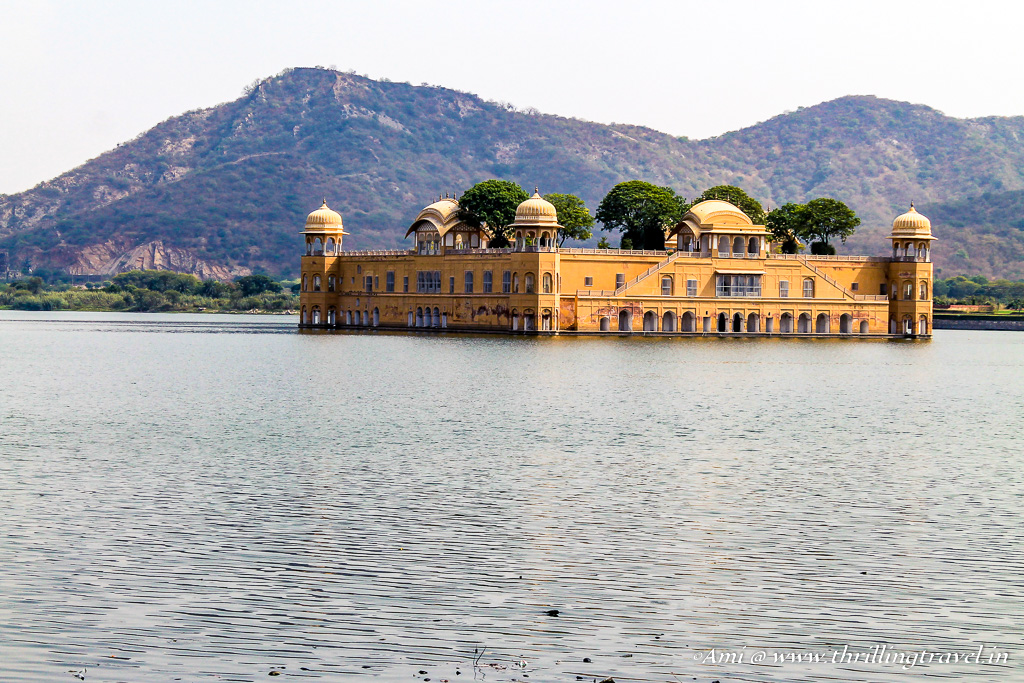
- JAL MAHAL – Jal Mahal or Water Palace is located in the middle of the Man Sagar Lake. The building has a picturesque view of the lake itself. The palace is a five storied building, of which four floors remain underwater when the lake is full and the top floor is exposed. The lake is 8 km from Amer palace. The Jal Mahal palace is not open to visitors.
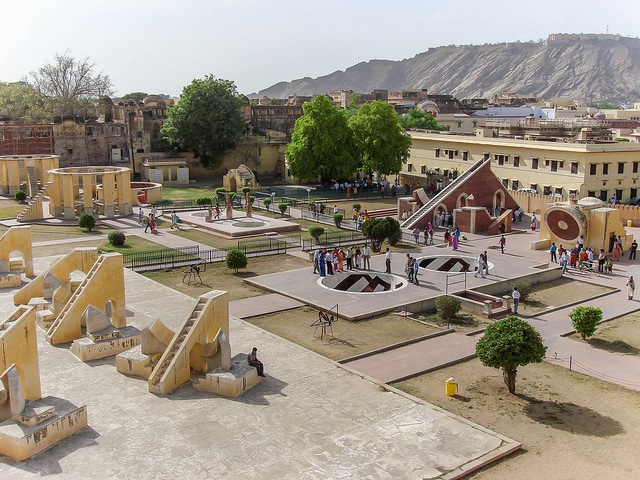
- JANTAR MANTAR – Jantar Mantar literally means ‘calculating instrument’. It is a collection of nineteen architectural astronomical instruments built by the Rajput king Sawai Jai Singh II. It features the world’s largest stone sundial. It is located near City Palace and Hawa Mahal. The instruments allow the observation of astronomical positions with the naked eye.
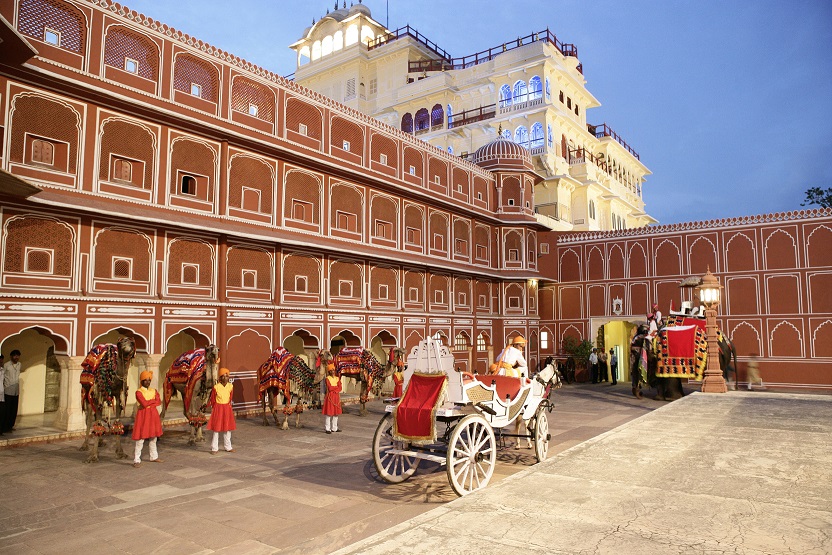
- CITY PALACE – Built by Maharaja Sawai Jai Singh, the City Palace depicts typical Rajput style with layers of chambers and halls. While a part of the palace remains the residence of the royal family of Jaipur even today, visitors have access to other parts of the palace complex including Mubarak Mahal, Diwan-e-Khas and Maharani Palace. The City Palace also houses a temple and a museum with a fine collection of artefacts similar to Albert Hall Museum. One can also enjoy the chariot ride inside the palace.
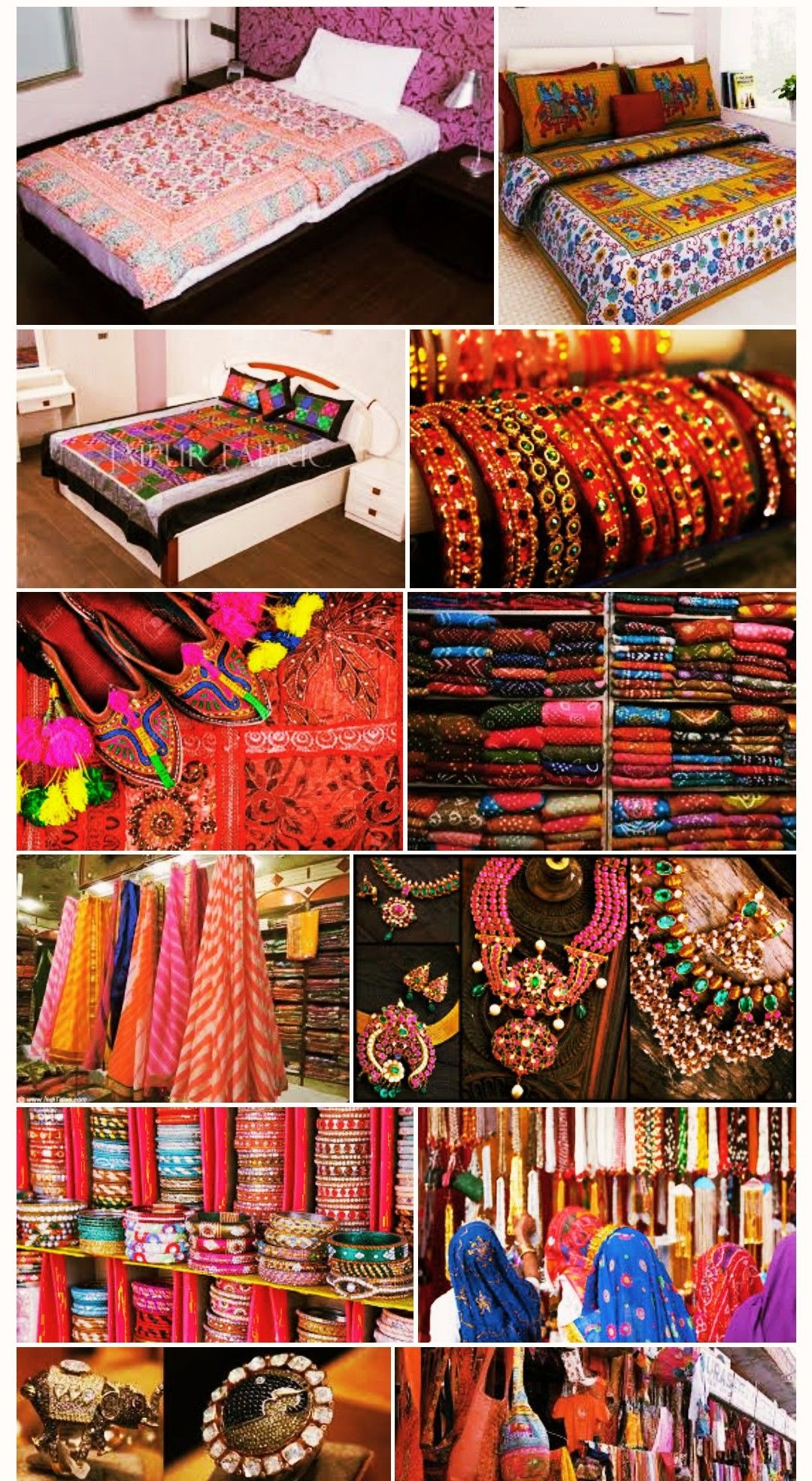
Along with exploring these historical monuments, I also got a chance to visit ‘RAJASTHANI TEXTILES DEVELOPMENT CORPORATION’. They showed to me their RAJASTHANI QUILTS in which they have specialisation and SAREES which are still made by wooden blocks. It was a visual treat to see the process of saree making and the kind of natural colours they still use. You could buy the quilts and sarees and make the online order too. Clicking pictures or making videos were strictly prohibited.
WHAT ELSE TO DO???…🙄
- SHOP FOR LOCAL HANDICRAFTS: The local bazaars of Jaipur are always teeming with things to buy. Clothes, shoes, home furnishings, handicrafts, spices, jewellery, pottery and what not. There isn’t anything you won’t love. One of the popular marketplace in the city is ‘JOHARI BAZAAR‘. The market area looks so colourful and bright that you cannot let your eyes off for once. Soooo…Keep your wallet handy!
WHAT TO EAT???…🙄
- GHEWAR: A favourite with locals and tourists, ghewar is a traditional Rajasthani sweet that is circular in shape. It’s deep fried and laden with pista and almonds. LMB in Johari Bazaar is an acclaimed eatery to sample this delicacy.
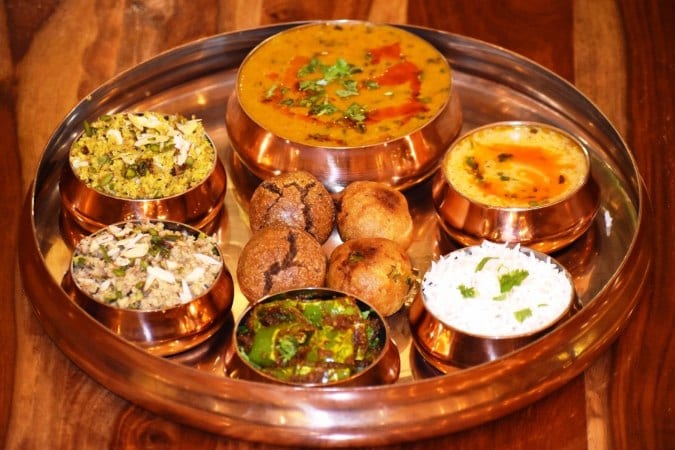
- DAAL BAATI: A popular dish of Rajasthan, daal baati is daal served with hard wheat rolls (baati). Seasoned with ghee and served hot, most local eateries in Jaipur have it on their menu.
WHEN TO GO???…🙄
Jaipur experiences extreme weather and has three distinct seasons – summer, monsoons and winter.
- OCTOBER TO MARCH: These are undoubtedly the best months to visit Jaipur as the summer heat has abated. December and January are the peak of winter and are exceptionally cold and dry. Temperatures start rising in February and remain pleasant till March which is the ideal weather for a holiday!
- JULY TO SEPTEMBER: Though still hot in Jaipur, the monsoons during these months bring with it high humidity levels.
- APRIL TO JUNE: With May and June being the hottest months, summers in Jaipur can be brutal with temperatures going upwards of 40 degree Celsius.
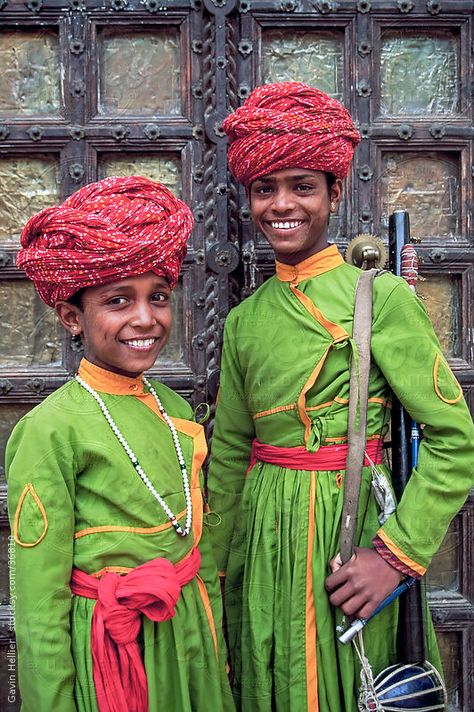
Jaipur, which is standing still from decades and holding many historic events in its heart is a must visit. Experience the royal way of life in Jaipur, where the hospitality of the people is as warm as the height of grandeur in the pink city!….☺️☺️☺️
 "SAFAR" - The Journey